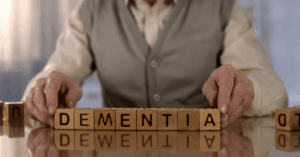

The holidays can be stressful for anyone, but when someone you care for has dementia, plans often need to change. Memory shifts, mood changes, and low energy can make last year’s traditions difficult or even impossible this year. That’s why having a “Plan B” (or even a “Plan C”) is essential. A “Plan B” is simply a backup way to celebrate that still brings joy, comfort, and connection, even if the original plan doesn’t work out.
Start with What Matters to Them
The best way to keep the holiday events running smoothly is to begin by thinking about the preferences of the individual with dementia. This is because in the world of dementia care, we as caregivers, need to adapt and adjust our approach, since individuals with cognitive impairment are not always able to change their ways.
Checklist: Understanding Preferences and Traditions
- How have they traditionally celebrated the holidays?
- What foods, drinks, or treats do they enjoy most?
- Which songs, movies, or decorations bring them joy?
- Do they enjoy large family gatherings, or do they feel calmer with smaller groups?
- Are there specific rituals or activities that have special meaning?
- How have they responded to past holiday changes or surprises?
- Are there traditions they might want or need to skip this year?
Involve the Whole Family
Planning holidays with a dementia-focus approach can also be an opportunity for family connection. Encourage family members by distributing this checklist as a group activity to reflect on their memories of the person with dementia. This can help identify what to avoid and highlight meaningful activities.
Checklist: Family Reflection and Planning
- Which past activities caused stress or confusion?
- Which moments brought smiles or laughter?
- Are there new traditions or small adaptations everyone can participate in?
- How can family members share responsibilities to reduce fatigue and increase enjoyment?
- Are there ways for children or grandchildren to be involved safely and meaningfully?
Consider Their Stage of Dementia
Living with symptoms of dementia affects how a person experiences the world. Someone with mild symptoms may enjoy decorating or helping prepare meals, while someone with advanced symptoms may find crowds or new activities overwhelming. The goal is to adapt celebrations to their abilities. Even with careful preparation, things may not go as planned, therefore flexibility is key.
Consider:
- What are simple alternatives if the original plan isn’t possible? (e.g., smaller gathering, favourite movie, short walk)
- Which traditions can be shortened or simplified? (e.g., trimming a long meal, fewer decorations, a smaller gift exchange)
- When is the best time to celebrate to match their energy and mood? (morning, afternoon, or evening; after rest or medication schedules)
- Are there quiet spaces available for breaks if the celebration becomes overwhelming?
- How can sensory triggers: music, smells, visuals, textures, be used to create comfort and positive experiences?
- Who can step in to help if fatigue, frustration, or mood changes occur? (family, friends, caregivers)
- Can the celebration be split into shorter sessions over several days instead of one long event?
- Are there opportunities to involve the person with dementia in small, meaningful ways without overtaxing them?
If traveling:
- Is the travel schedule realistic for their energy levels and attention span? (Consider shorter travel times or splitting the trip into stages.)
- What accommodations will make the trip more comfortable? (Quiet rooms, familiar bedding, accessible bathrooms, mobility aids.)
- Are meals, snacks, and medications planned and easy to manage on the go?
- How familiar or comfortable is the destination? (Places they’ve visited before may reduce stress and confusion.)
- Can the trip include familiar sensory triggers? (Favourite music in the car, scents from home, familiar objects from their room.)
- Who will accompany them to provide support and help manage changes in mood, energy, or confusion?
- Are there backup plans if the person becomes tired, anxious, or disoriented? (Shorten the visit, rest stops, or return home early.)
- Are transportation options predictable and stress-free? (Avoid rush hours, busy airports, or crowded buses if possible.)
- How will you maintain familiar routines during the trip? (Meal times, nap times, personal care routines.)
- What emergency contacts, medical information, or local supports should be prepared before leaving?
Focus on Connection Over Perfection
As dementia progresses, the focus of celebrations naturally changes. Elaborate traditions and grand gestures may no longer hold the same meaning, and what becomes most important are the simple, heartfelt moments shared together. The holidays shift from striving for perfection to embracing presence – truly being with one another, listening, and experiencing the comfort of shared company.
This is a time to reconnect, to nurture relationships, and to celebrate the love that binds families across generations. It is a season for laughter, quiet reflection, and the small gestures that speak volumes of care and devotion. Even as memories fade, the heart retains what the mind may forget.
Even if the person with dementia cannot fully communicate or participate as they once did, they can still feel the love, safety, and security that come from seeing their family happy, healthy, and enjoying each other. The simple presence of laughter, warmth, and togetherness may bring them peace and comfort. This awareness – the sense of being surrounded by love – is often the greatest gift of all, far beyond any decoration, meal, or tradition. Happy Holidays!
At Dementia Solutions, we’ve made it our mission to demystify dementia behaviour and continue to explore person-centred, creative, non-pharmacological solutions to manage dementia-related behaviours. We believe that awareness creation and skill-building through education is the most effective and powerful tool we have to promote and maintain the well-being of both the person with dementia and their caregiver.

If you’re a professional caregiver, consider becoming a Certified Dementia Care Provider!
Ready to deepen your understanding and be confident in your skills in managing changed behaviours due to dementia? Register for our Certified Dementia Care Provider program today and learn how to communicate with compassion, navigate challenging behaviours, and provide the best care for individuals living with dementia. Gain the tools you need to make a meaningful difference in the lives of those you care for. Sign up now and start transforming your caregiving approach!

If you’re a Family Caregiver, we invite you to join our Dementia Solutions Family Membership!
As a family caregiver, you don’t have to navigate the challenges of dementia alone. Join our Dementia Solutions Family Membership today and gain access to expert guidance, practical tips, and a supportive community of caregivers just like you. With resources, real stories, and valuable tools, we’re here to help you provide the best care while maintaining your well-being. Sign up now and take the next step toward confident, compassionate caregiving!
Any questions, simply send us an email at Info@DementiaSolutions.ca , and we’ll guide you through everything our programs have to offer. We look forward to helping you take the next step in your caregiving journey!
If you need support in your caregiving experience or would like to learn more about our educational opportunities, please reach out to us at Info@DementiaSolutions.ca and we would be more than happy to support you.
DISCLAIMER:
The contents of this blog are provided for information purposes only. They are not intended to replace clinical diagnosis or medical advice from a health professional.